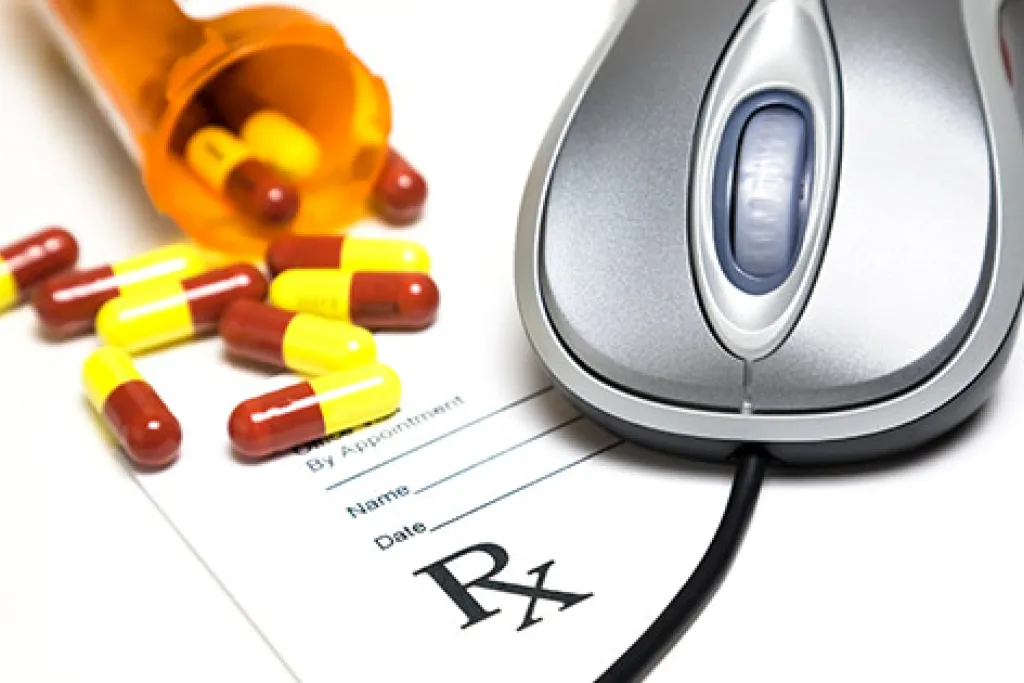
MD Logic e-prescribing provides an unmatched level of simplicity and speed for physicians to generate prescriptions electronically.
As a physician completes the treatment plan for the patient, the physician can touch one button in MD Logic and create the prescription for the patient. The previous pharmacy names and locations are displayed whereas the physician can select the pharmacy to send the prescription. MD Logic will generate an alert for prescriptions that conflict with allergies or other known medications the patient is currently taking.
With MD Logic, the physician saves time and is not slowed down in clinic. By the time the patient leaves the exam room the prescription has already been sent to the pharmacy. MD Logic has made the process of generating prescriptions extremely efficient for all healthcare providers.
For physicians that write prescriptions for narcotics, a security code is texted to the provider’s phone. The text number is used to release the narcotic prescription to the pharmacy. Several states have already made electronic narcotic prescribing mandatory as they have phased out the use of paper prescriptions. Physicians that want to upgrade to electronic narcotics prescribing will need to contact MD Logic support at support@mdlogic.com to schedule a time for the upgrade. Each provider being licensed for electronic narcotics prescribing will attend a one-hour conference call with the electronic certifying company that will approve the electronic prescribing for the provider.
To learn how MD Logic can reduce your overhead, increase efficiency and maximize profitability, please contact our corporate headquarters today at 800-273-7750.